You do not need to be photogenic to look incredible on your wedding day. You do not need modeling experience, a perfect angle, or a rehearsed smile either. If you’ve been searching for how to feel natural in wedding photos, what you probably want is simpler than that – you want to feel like yourself, stay present with your person, and trust that the photos will reflect what the day actually felt like.
That is the real goal.
The couples who look the most relaxed in photos usually are not the ones who love being in front of a camera. They are the ones who had the right support, enough breathing room, and a photographer who knew how to guide them without making them perform. For normal people who want abnormally great photos, feeling natural starts long before the camera comes out.
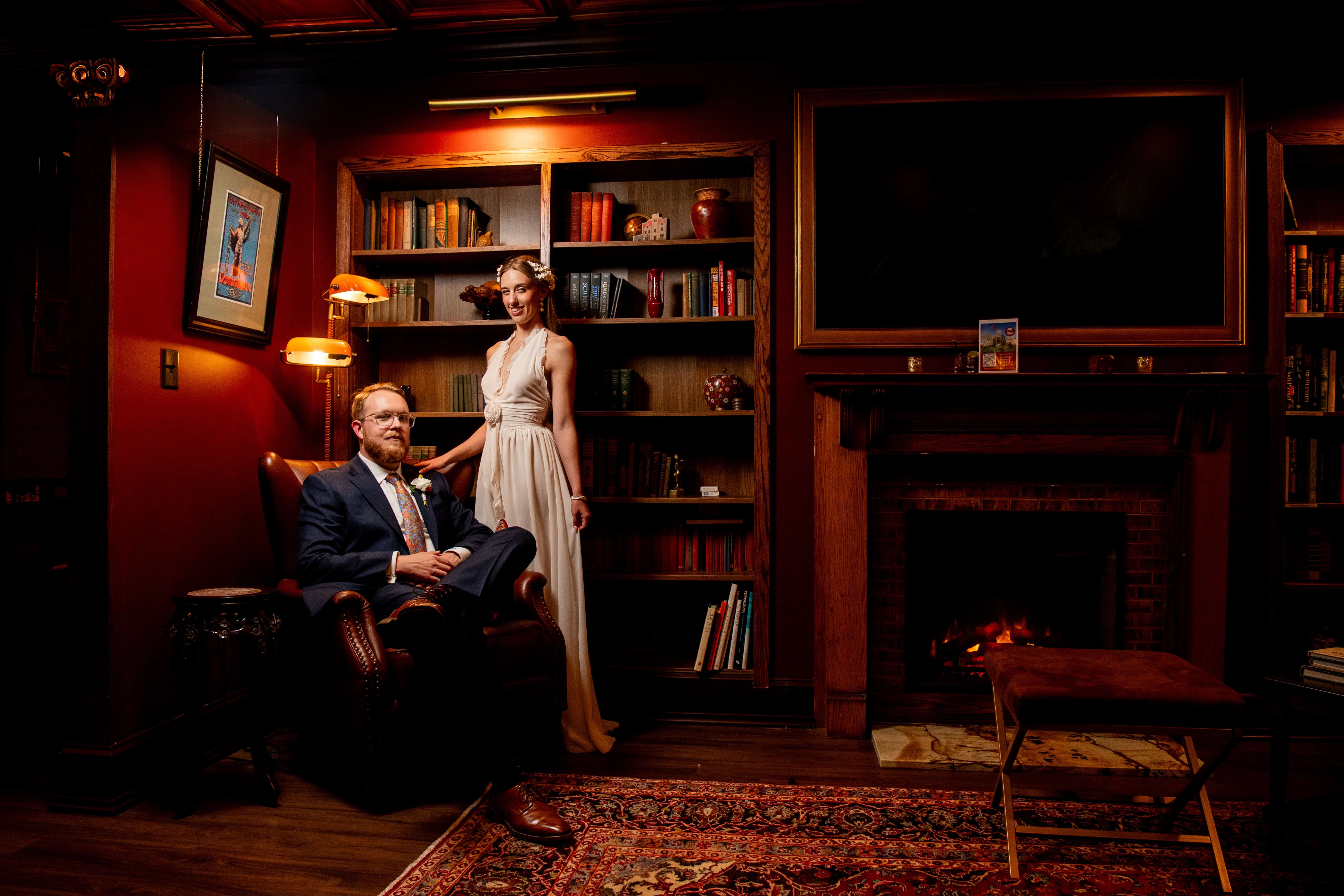
How to feel natural in wedding photos starts before the wedding
A lot of photo anxiety gets blamed on being camera-shy, but most of the time the bigger issue is pressure. Tight timelines, unfamiliar locations, uncomfortable outfits, too many opinions, and the feeling that every second has to look perfect can make anyone stiffen up.
The fix is not to practice fake poses in the mirror. It is to build a wedding day that gives you room to breathe.
Start with your timeline. If your portrait time is squeezed into ten frantic minutes between family photos and the reception entrance, you are going to feel rushed. If you build in space for getting ready, first looks if you want one, family photos, couple portraits, and a few quiet moments together, your body will feel the difference. Calm reads on camera.
The same goes for your expectations. Natural photos do not mean you ignore the camera all day. They mean you are gently guided into moments that feel real instead of overly staged. There is a big difference.
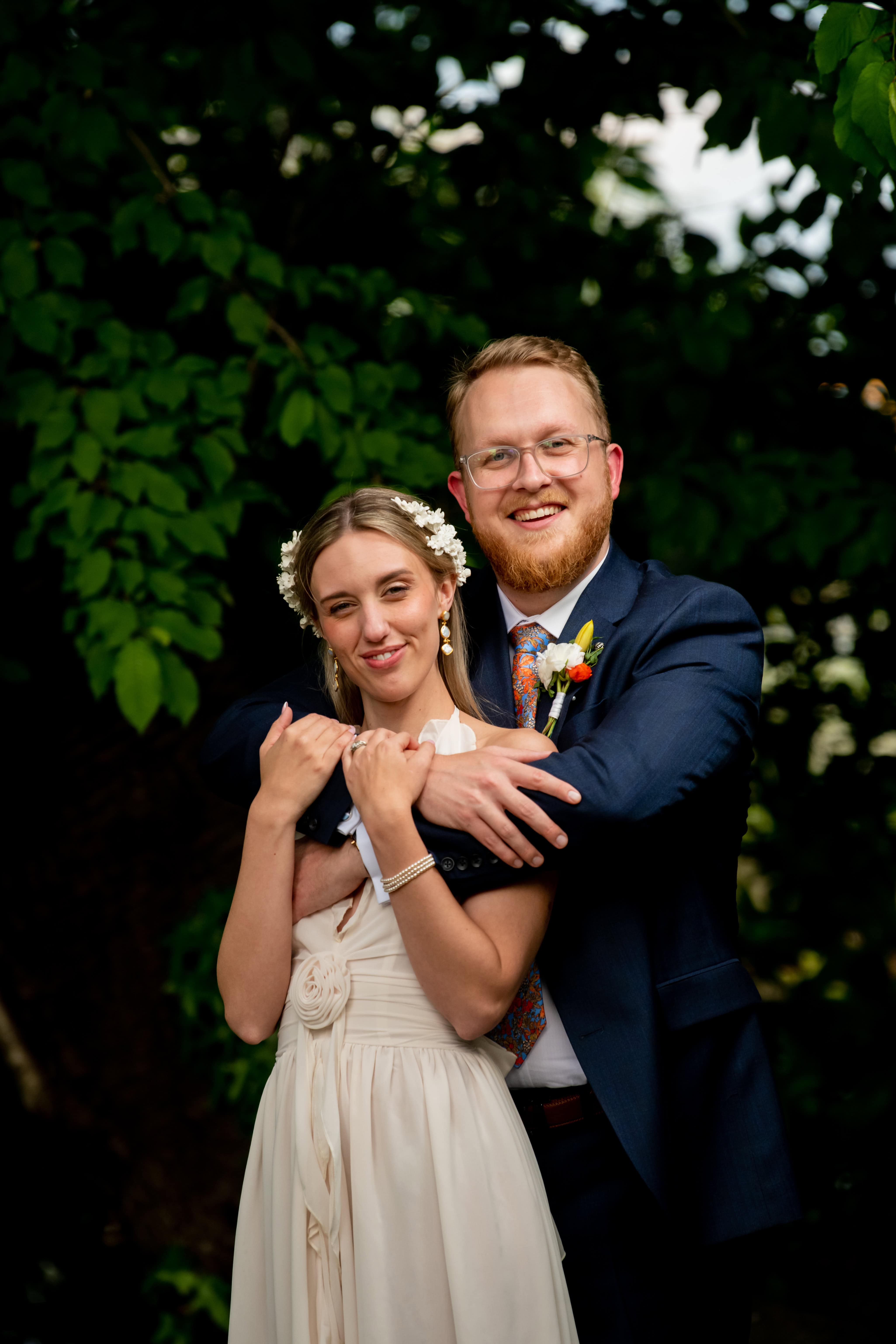
Choose venues and locations that help you relax
Your venue affects more than the backdrop. It affects how the day moves, how much privacy you have, how easy it is to step away for portraits, and whether you feel grounded or overstimulated.
If you are still choosing a venue, think beyond the ballroom or ceremony space. Ask yourself where the quieter corners are. Is there good natural light near the getting-ready rooms? Is there a shaded outdoor area for portraits? Can you move easily from one part of the property to another without losing twenty minutes in transit? These details matter because comfort and momentum matter.
For engagement sessions, the best location is usually not the most dramatic one. It is the one where you can actually settle in. That could be a city street in Philadelphia that feels like your neighborhood, a park where you walk your dog, a Lancaster field at golden hour, a New Jersey beach town you return to every summer, or a tucked-away garden with room to move and talk.
A beautiful location helps, but familiarity helps even more. When a place means something to you or simply feels easy to be in, your photos take on that ease.
A few smart location questions to ask
Think about privacy, walking distance, lighting, weather backup, and whether the setting fits the energy you want. A windswept rooftop can be stunning, but if you hate wind in your face and crowds watching every move, it may not be the right choice. It depends on your personality more than the trend.
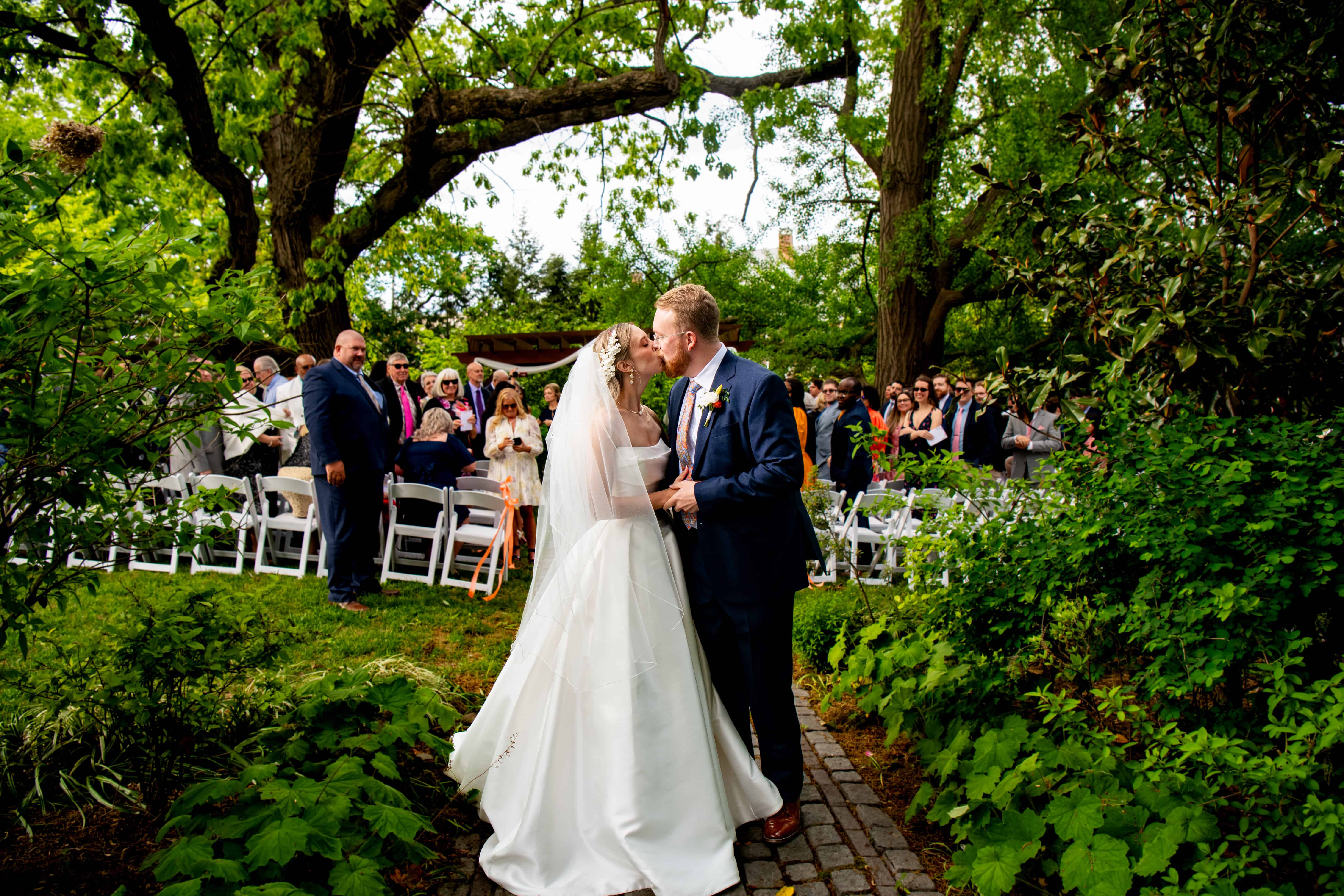
Engagement sessions make wedding photos easier
If you are nervous about wedding photos, an engagement session is one of the best ways to change that.
Not because you need a trial run for every pose, but because you get to experience what it feels like to be photographed well. You learn quickly that you do not have to know what to do with your hands every second. You do not have to smile nonstop. You do not have to manufacture chemistry that is already there.
A good engagement session creates trust. You get a feel for your photographer’s rhythm, how direction is given, when to move, when to slow down, and how small prompts can create photos that look effortless. By the time the wedding day arrives, the camera feels familiar instead of intrusive.
That familiarity is huge.
What to wear if you want to feel like yourself
The fastest way to look uncomfortable in photos is to wear something that feels unlike you. Style matters, but comfort matters just as much.
For engagement sessions, choose outfits that fit well, move well, and feel like an elevated version of your everyday style. If you never wear super formal clothing, forcing a head-to-toe look that feels costume-like can show up in your posture. If you feel amazing dressed up, then go for it. There is no single right answer.
Neutrals, rich earth tones, soft textures, and solid colors usually photograph beautifully without distracting from your faces. Try to avoid outfits that require constant adjusting, very busy patterns, or anything so tight that it changes how you stand and move.
Shoes matter more than people think. If your session includes walking through the city, a trail, or a large venue property, painful shoes will change your mood fast. Bring a second pair if needed.
On the wedding day, make sure the parts no one sees are helping, not hurting. Undergarments that fit properly, shoes you can actually stand in, a suit that allows movement, and fabrics that breathe all make a difference. When you are physically comfortable, your body softens.
The best photos happen when you are doing something
One reason people freeze in front of a camera is that standing still with all eyes on you is awkward. That is normal.
Natural photos come alive when you have a little motion and a little interaction. Walking together. Fixing a veil. Holding hands and talking. Taking a breath before the ceremony. Laughing because something genuinely funny happened. Leaning in close for a second instead of holding a pose for ten.
That is why gentle direction works so well. Instead of asking you to manufacture a moment, a photographer can create space for one to happen. The result still looks polished, but it feels like you.
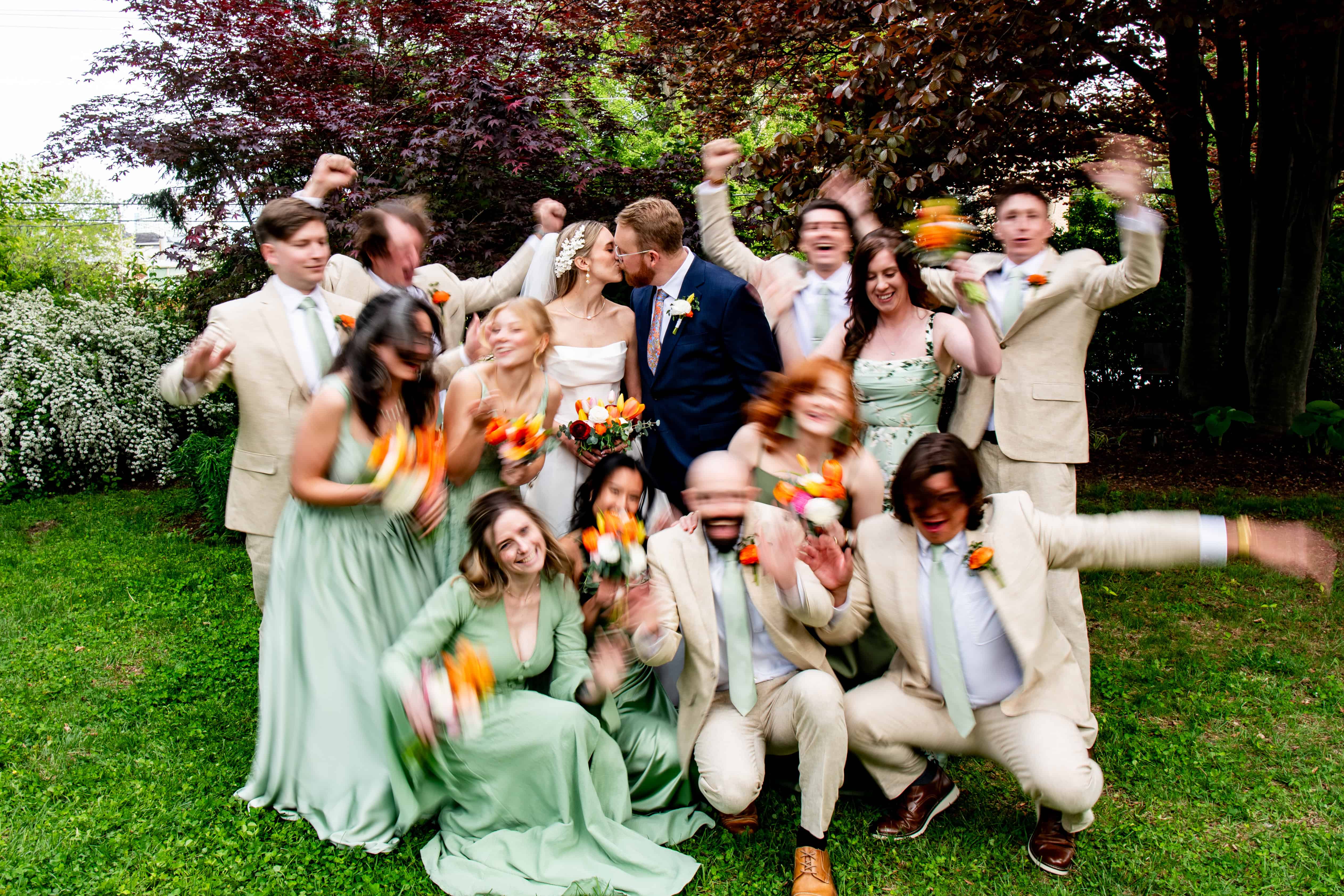
How to feel natural in wedding photos during portraits
During portraits, focus less on where the camera is and more on your partner. Listen to each other. Move slowly. If a direction feels too stiff, say so. The best portrait experience is collaborative, not performative.
It also helps to let go of the idea that every photo needs to be serious or every photo needs to be smiling. Some of the strongest images come from the in-between moments when you exhale, reset, or simply look at each other without trying so hard.
Plan a day that protects your energy
This matters more than most couples realize. If your wedding day is stacked with nonstop obligations from sunrise to last dance, feeling present gets harder. And when you feel stretched thin, photos can start to feel like one more thing to manage.
Build in transition points. A few extra minutes after getting dressed. Time to eat. A quiet pause before the ceremony. Ten minutes alone after the ceremony if possible. These are not wasted spaces. They are often where the emotion of the day catches up in the best way.
If family dynamics are complicated, talk through that ahead of time. If there are specific groupings that matter most for family photos, organize them in advance. If there are surprises planned, make sure the right people know when they are happening. Stress often comes from uncertainty, not the event itself.
A wedding planner or coordinator can help enormously here, especially if you want the day to feel smooth without carrying the details yourselves. Even if you are planning much of it on your own, a clear timeline and a short list of priorities can protect your peace.
Trust matters more than posing
The reason some couples seem instantly at ease is not that they are naturally better in photos. It is that they trust the person behind the camera.
When you trust your photographer, you stop second-guessing every expression. You stop wondering if your arm looks weird. You stop trying to control the outcome in real time. That is when real emotion shows up.
This is one of the biggest benefits of working with someone experienced. After hundreds of weddings, there is a calm that comes from knowing when to step in, when to step back, and how to keep things moving without making you feel managed. Nathan Desch Photography is built around that kind of experience – creating bold, timeless images while helping couples feel grounded enough to actually enjoy being photographed.
And yes, there are trade-offs. If you want every image heavily posed and perfectly orchestrated, a more natural approach may feel looser than you expect. But if you want photos that look like your wedding felt, that ease is exactly the point.
Let the day be bigger than the photos
The couples who feel best in their wedding photos usually make one quiet shift. They stop treating photography as a test.
Your wedding is not a performance. It is a day where you get to marry your person, be surrounded by the people you love, and feel things you will never quite feel the same way again. The photos matter because they hold onto that, not because they prove you looked flawless every second.
So give yourself permission to laugh loudly, cry openly, move imperfectly, and be fully there. That is where the good stuff lives, and the camera can meet you there.